
Consortium News
Welcome to the TRICIA News Page. Here you’ll find the latest updates from the Tissue Research in Childhood Inflammatory Arthritis (TRICIA) Consortium – including network updates, research discoveries, upcoming events, and stories from families and clinicians involved in our work to improve the future of children and young people with JIA.
Stay Connected with the TRICIA Network!
Be the first to hear about our latest research news. Whether you’re a researcher, clinician, patient partner, or supporter of paediatric rheumatology, sign up to receive updates and be part of the TRICIA community.
We promise not to overload your inbox—and you can unsubscribe at any time. Read the Privacy Notice

Emerging Investigator Excellence Awards by the American College of Rheumatology
Two researchers from the Institute of Inflammation and Ageing at the University of Birmingham, both affiliated with Professor Adam Croft’s research group and the TRICIA consortium, have been recognised with prestigious Emerging Investigator Excellence Awards by the American College of Rheumatology (ACR).
Dr Chris Mahony and Dr Sam Kemble received these competitive awards for their outstanding contributions to rheumatology research. The Emerging Investigator Excellence Awards acknowledge exceptional abstracts presented by early career researchers, with only one award granted per abstract category.
Dr Chris Mahony: Mapping the Inflamed Synovium in Childhood Arthritis
Dr Chris Mahony, a Postdoctoral Researcher, was recognised in the Paediatric Rheumatology – Basic Science category for his groundbreaking work on juvenile idiopathic arthritis (JIA). His research, titled:
🧬 “Cellular Deconstruction of Stromal and Myeloid Cell Compartments in the Inflamed Synovium of Juvenile Idiopathic Arthritis”,
has led to the creation of the first-ever atlas of the inflamed synovium in children with JIA. This landmark studyprovides new insights into the cellular mechanisms driving inflammation in JIA, paving the way for more effective, targeted treatments for children affected by the disease.
Dr Mahony’s research was made possible through funding from Versus Arthritis, the Kennedy Trust for Rheumatology Research, and the Medical Research Council (MRC).
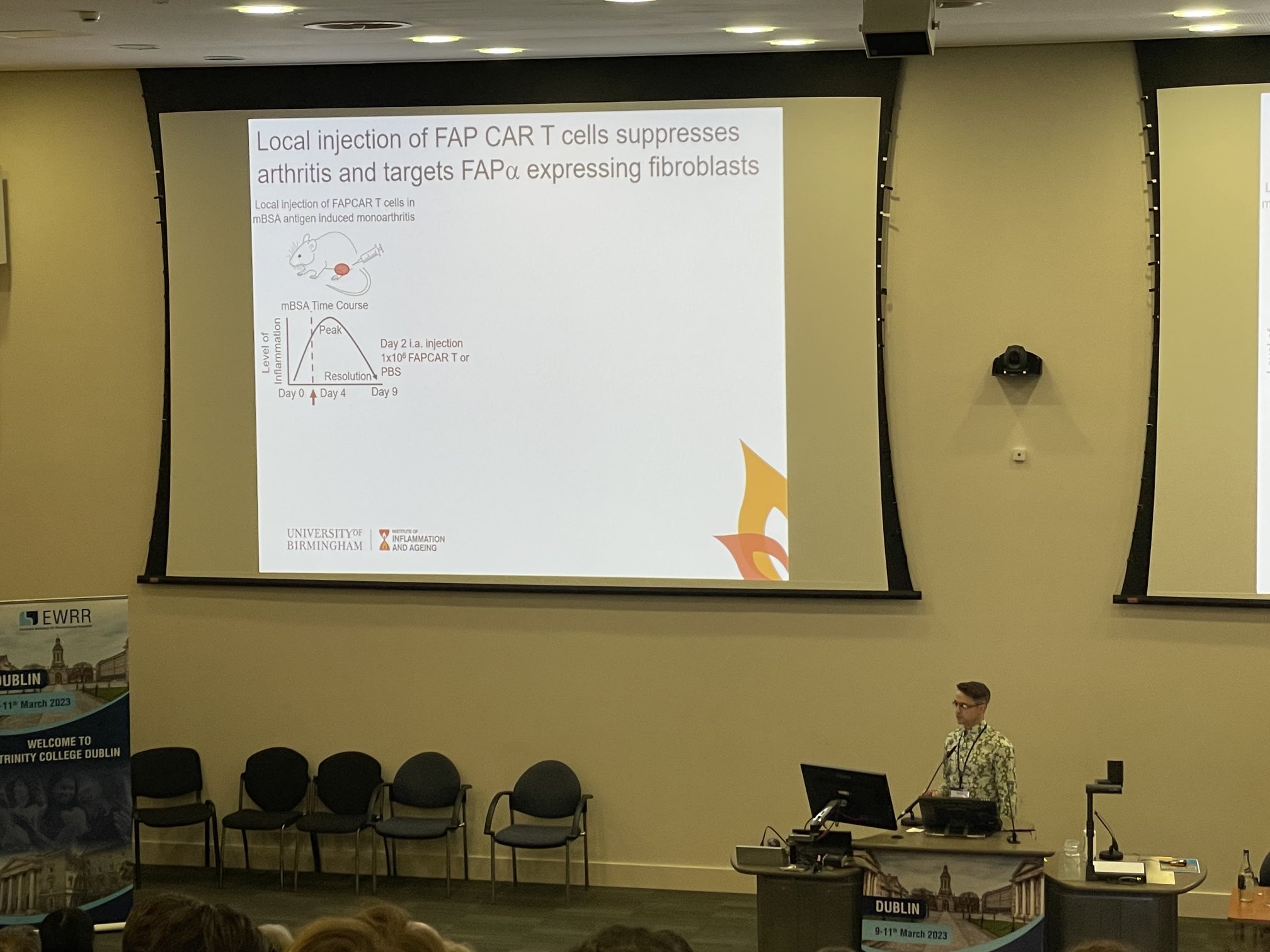
Dr Sam Kemble: Engineering T Cells to Target Fibroblasts in Inflammatory Disease
Dr Sam Kemble, a Research Fellow, was recognised in the T Cell Biology & Targets in Autoimmune & Inflammatory Disease category for his innovative work on the role of fibroblasts in chronic inflammation. His research, titled:
🧬 “Targeting Fibroblasts in Inflammatory Disease using Engineered T Cells”,
focuses on how tissue-resident fibroblasts contribute to persistent inflammation in diseases such as rheumatoid arthritis (RA) and primary Sjögren’s syndrome (PSS). His team has identified pathogenic fibroblasts in multiple inflammatory conditions and is currently investigating the use of chimeric antigen receptor (CAR) T cells as a novel immunotherapy to specifically target and eliminate these disease-driving cells. This research could lead to a major breakthrough in fibroblast-targeted therapies for inflammatory diseases.
Celebrating Excellence at ACR Convergence 2023
The awards were presented at the ACR Convergence 2023, held at the San Diego Convention Centre, California, from 10–15 November 2023. This flagship annual meeting brings together leading scientists, clinicians, and health professionals from around the world to discuss the latest advancements in arthritis, rheumatic, and musculoskeletal disease research.
Dr Mahony and Dr Kemble’s remarkable achievements reflect the strength of UK-based research in inflammatory diseases and reinforce the University of Birmingham’s role as a leader in rheumatology research. Their work continues to push the boundaries of understanding how inflammation develops and persists, ultimately driving new and more effective treatments for patients.
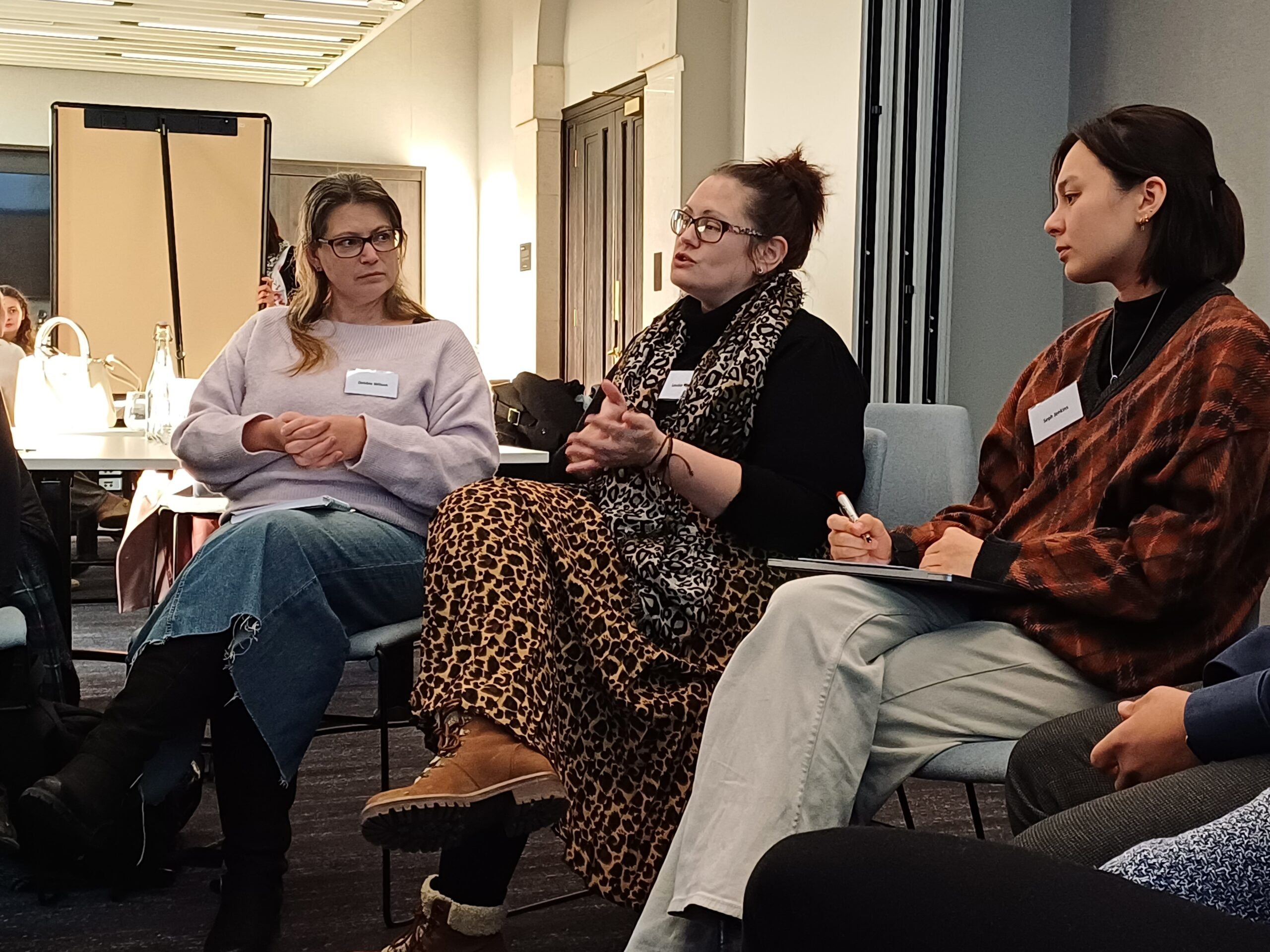
Listening to Lived Experience: Insights from a JIA Focus Group on Biopsy Procedures
Patient and Public Involvement and Engagement (PPIE) is central to the work of the TRICIA consortium, ensuring that the lived experiences of patients and families directly shape our research priorities and clinical approaches. In paediatric rheumatology, understanding these perspectives is particularly vital, especially when exploring sensitive procedures such as synovial biopsy in children with Juvenile Idiopathic Arthritis (JIA).
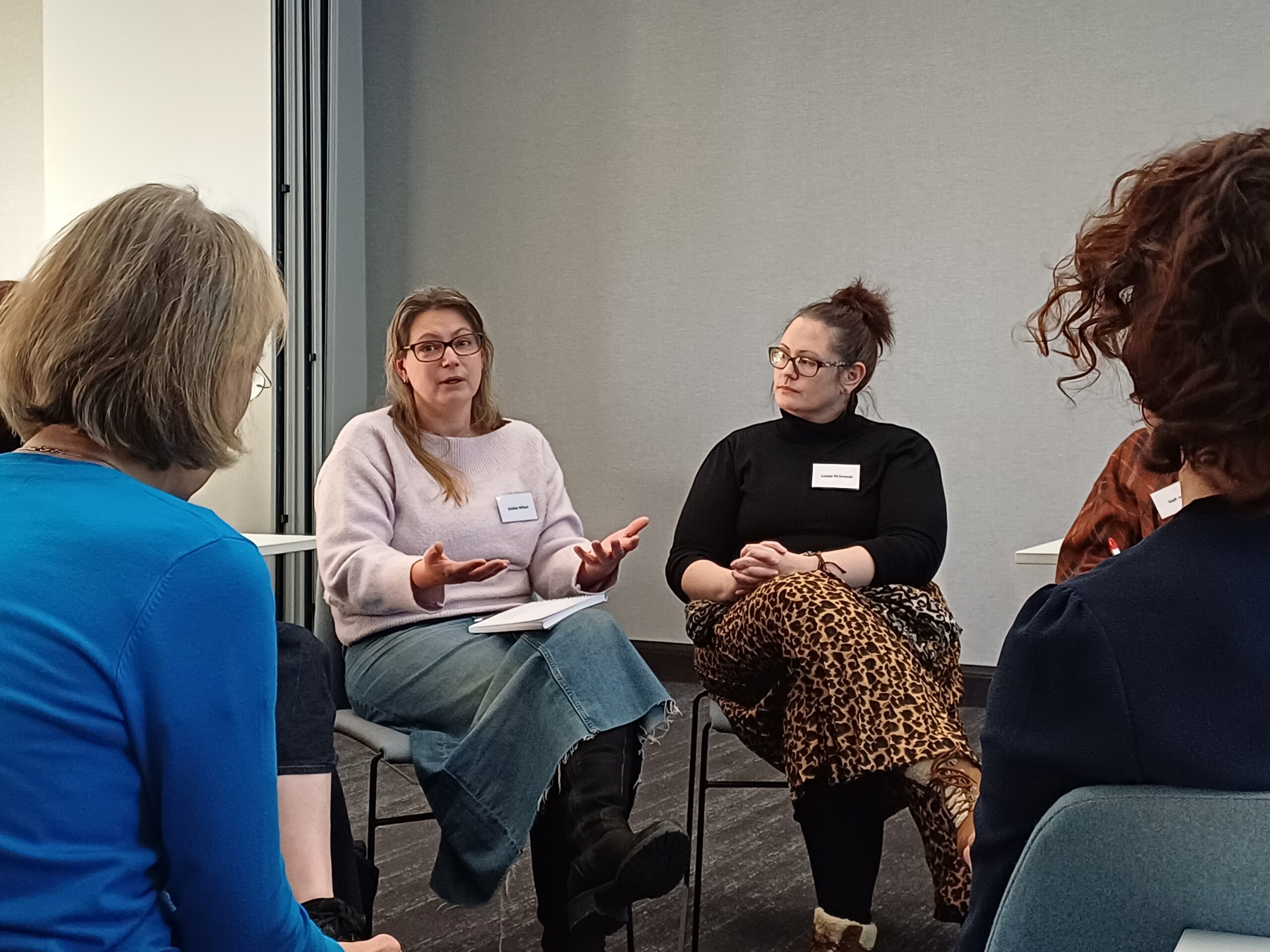
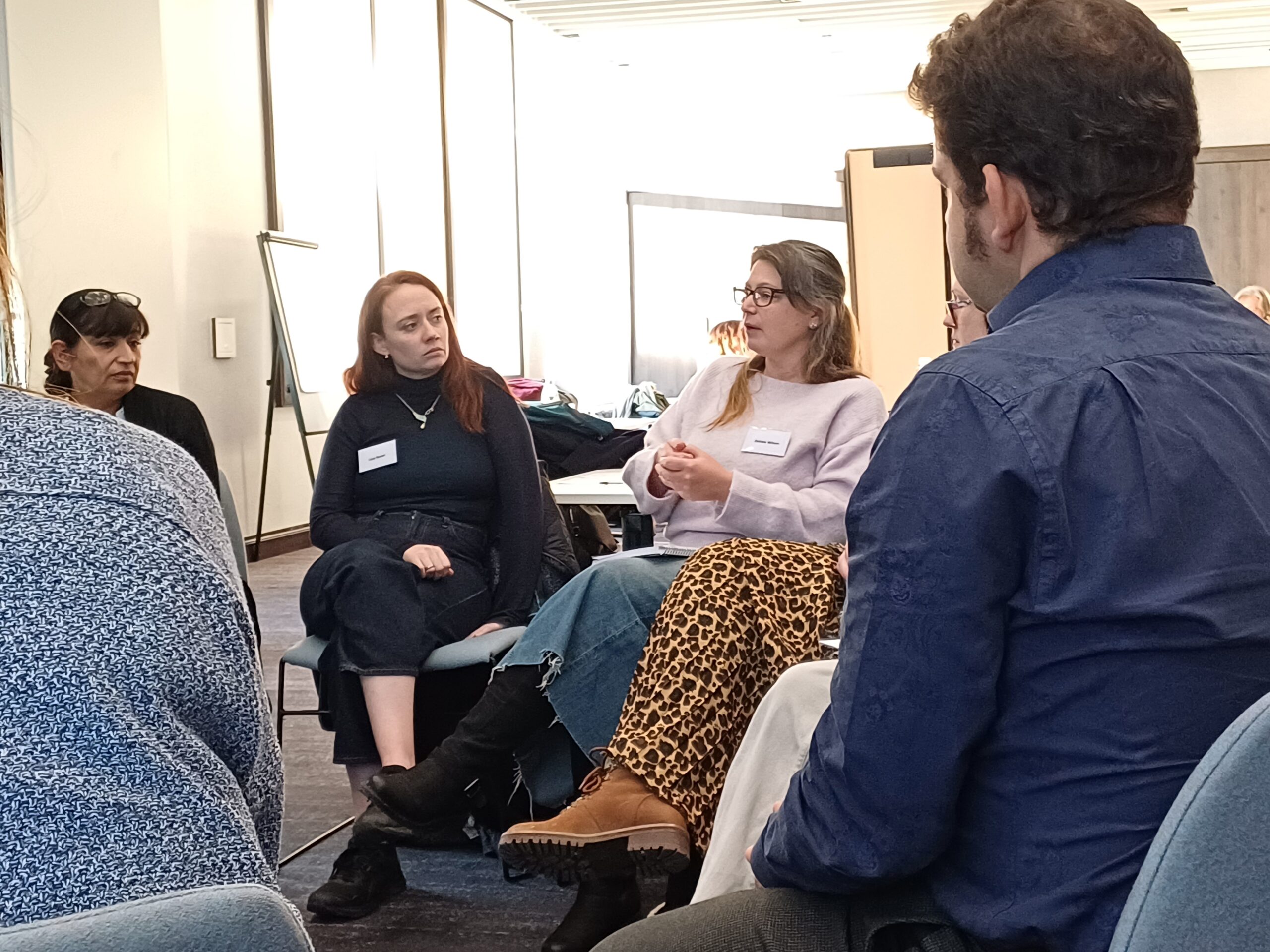
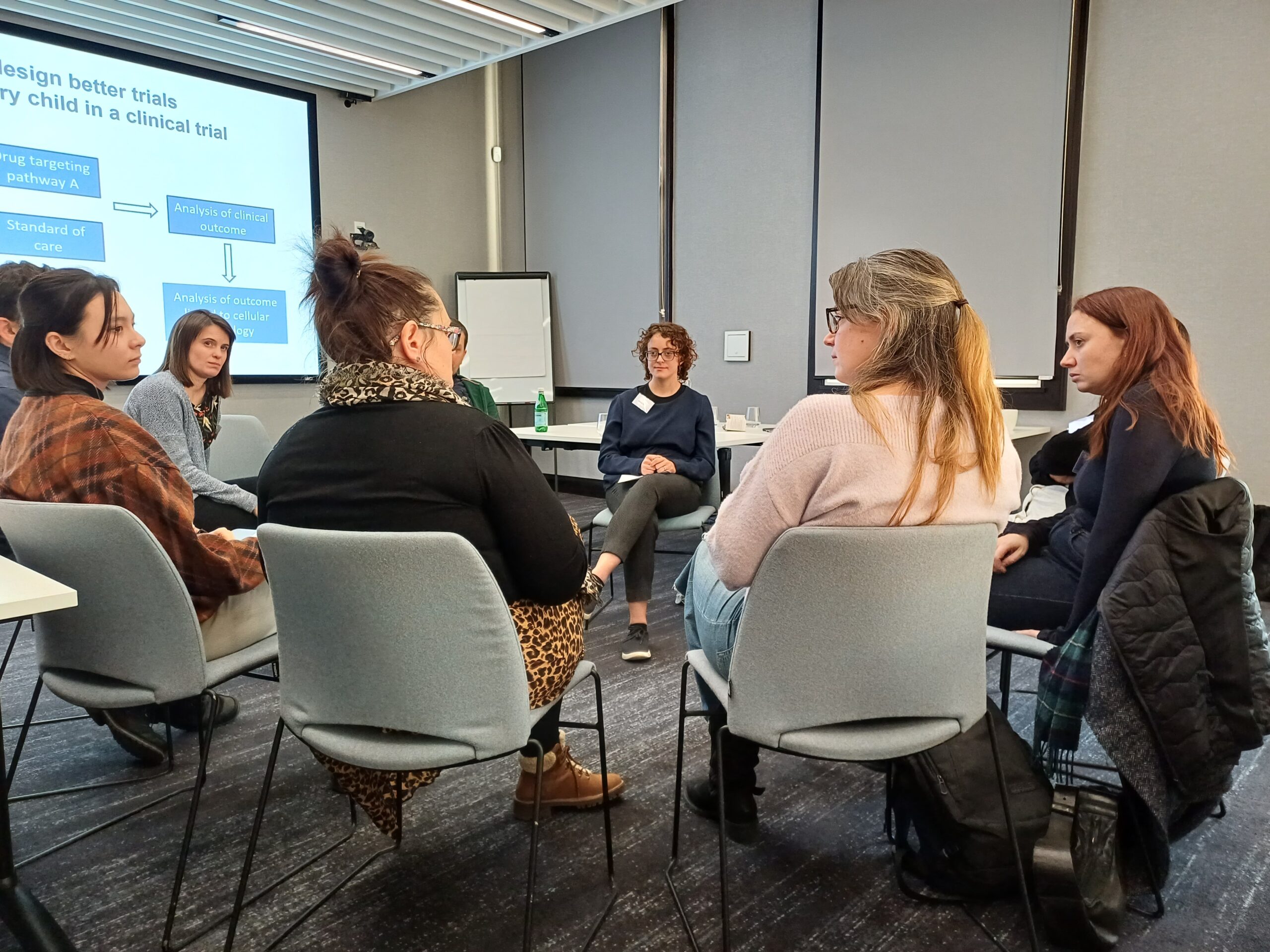
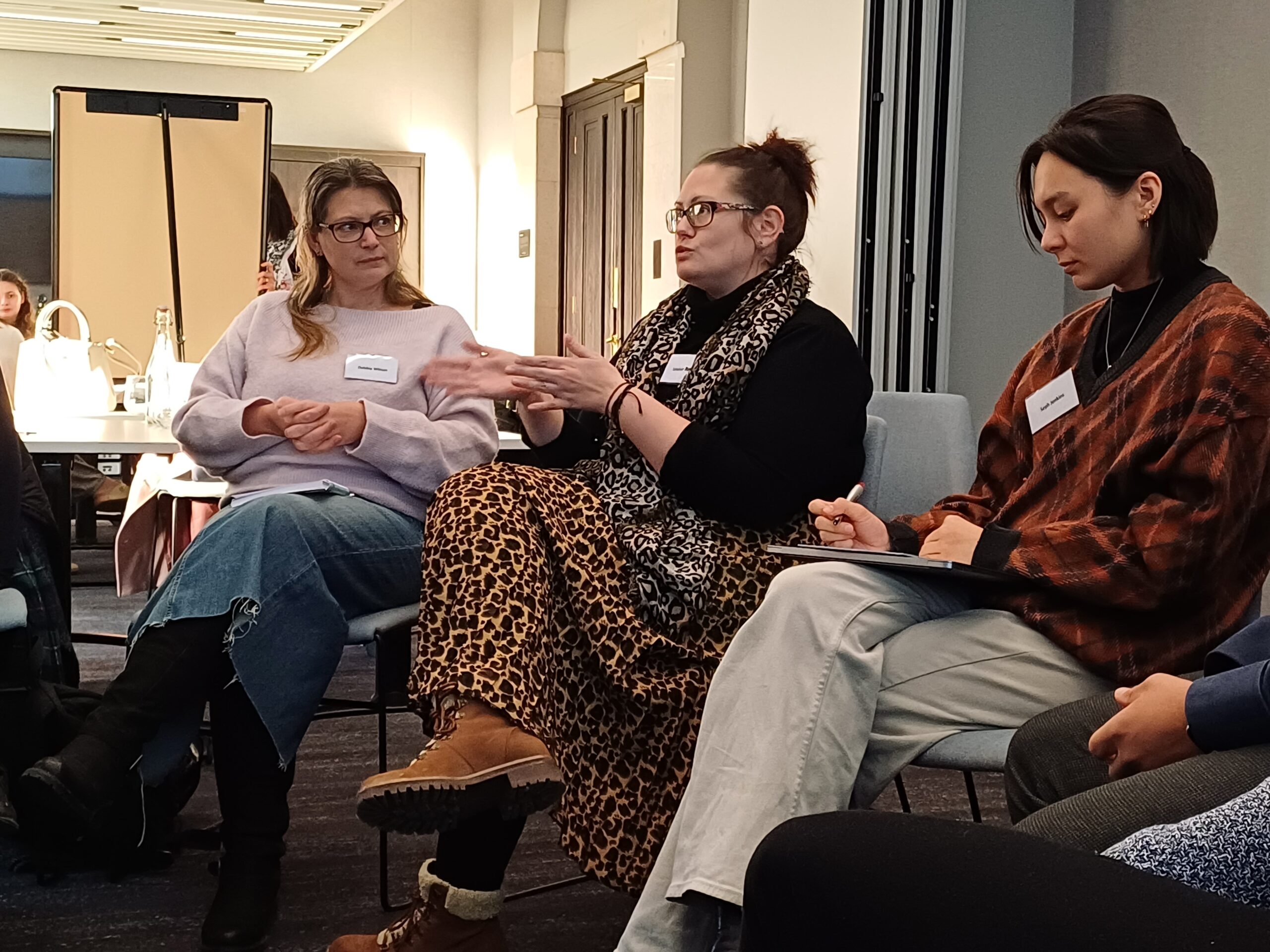
On Friday 1st December 2023, a focus group with children and young people diagnosed with JIA and their parents was held at The Exchange, Centenary Square, Birmingham. The session explored the acceptability of biopsy procedures under local anaesthetic with sedation, and gathered views on the timing, communication, and practical aspects of undergoing such procedures.
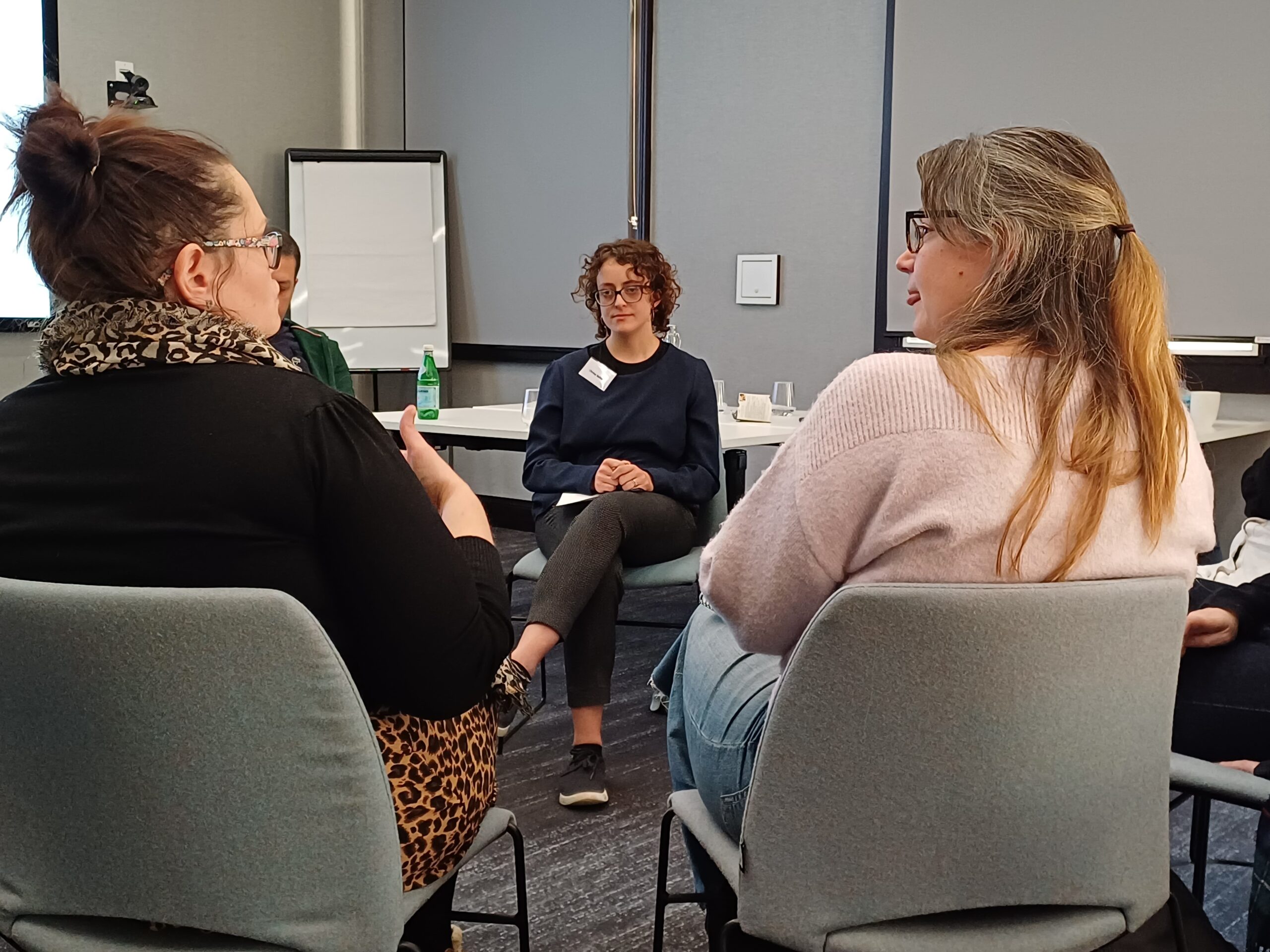
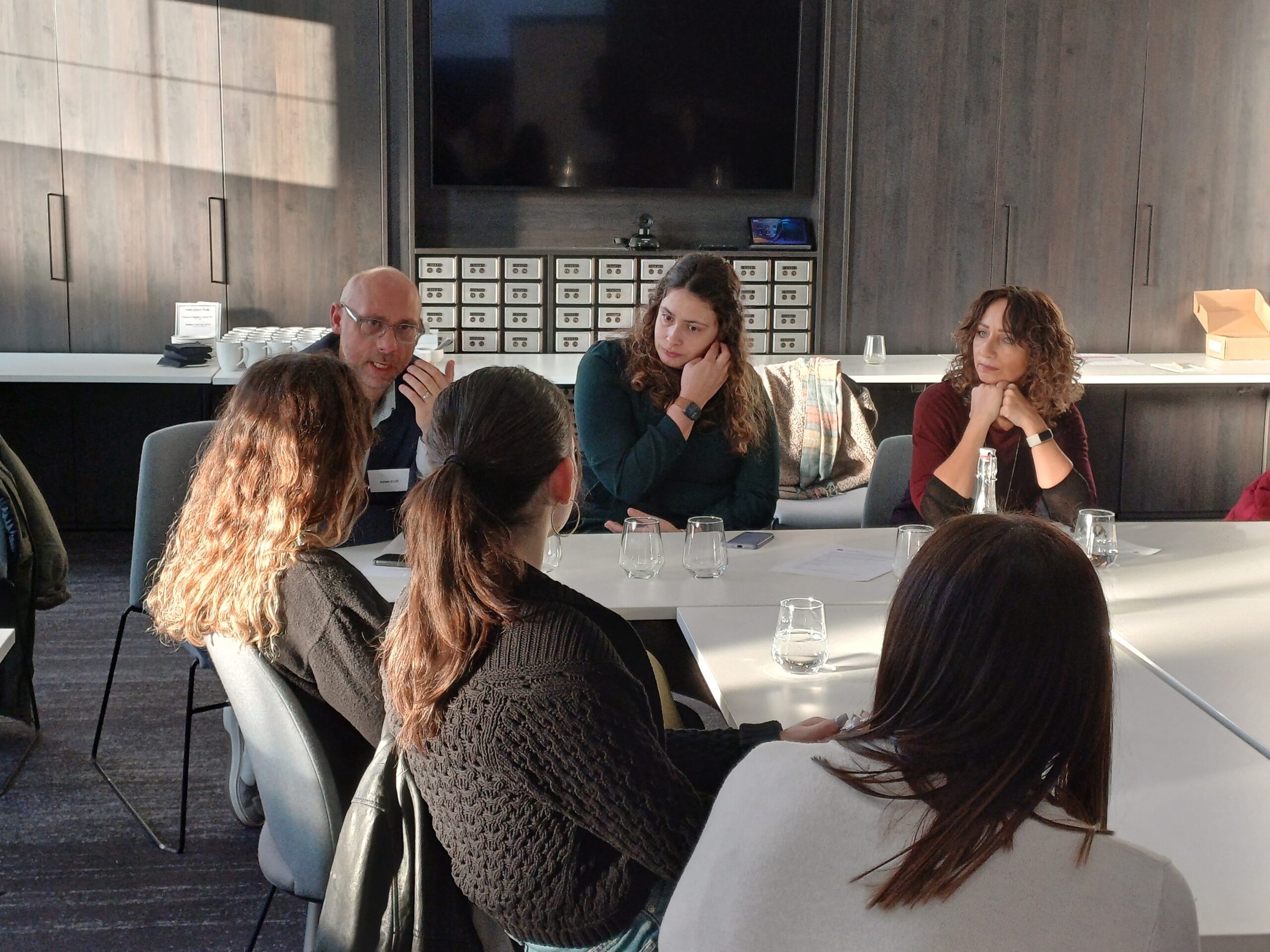
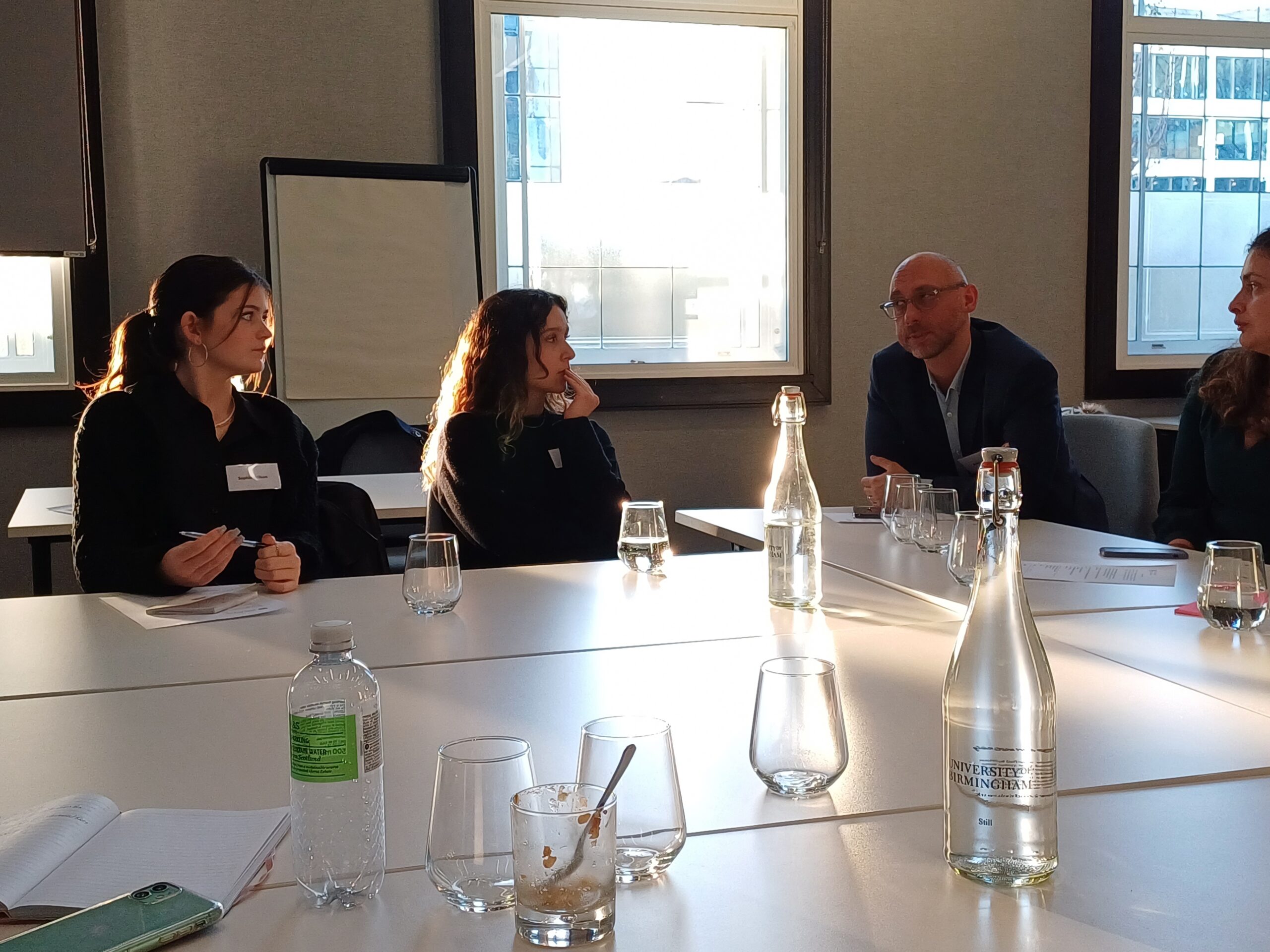
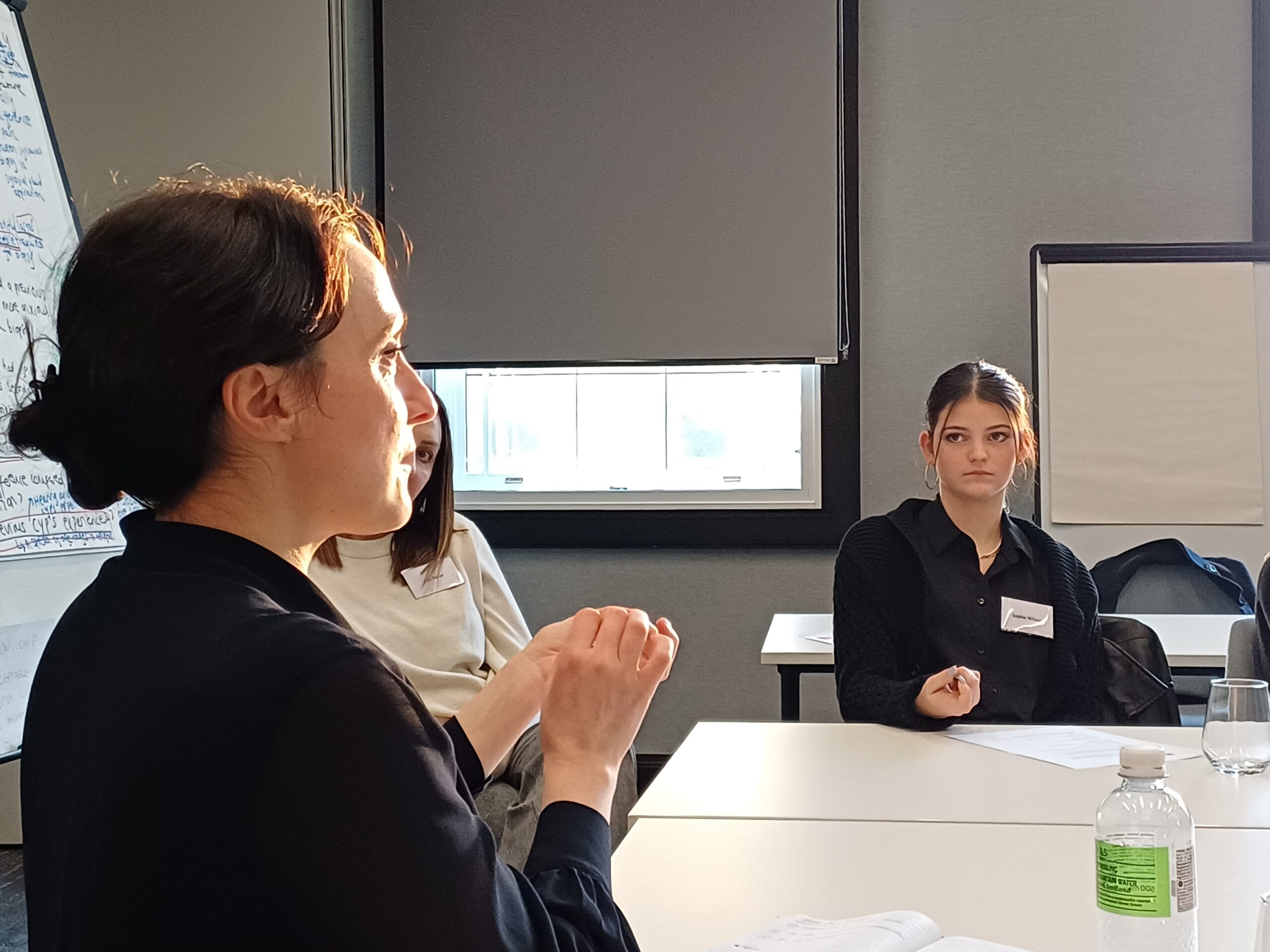
Key Insights from the Focus Group
1. Anxiety and Pain Management
Participants highlighted concerns around pain, anxiety, and past experiences. They stressed the need for honest, age-appropriate explanations, and reassurance about how pain and anxiety will be managed—particularly the use of sedation and what the procedure would feel like.
2. Tailored Information and Education
Families called for better, clearer educational resources. Videos, visual aids, and real-life patient stories were suggested to help demystify the procedure and build confidence in what to expect.
3. Timing and Practical Considerations
There was a strong preference for biopsies to be performed when the joint is less inflamed or more stable. Concerns were raised about additional hospital visits and balancing procedures with school and family life, highlighting the need for careful planning and flexibility.
4. Supporting Research Participation
Despite concerns, there was a clear willingness to take part in research—especially when families understood how their participation could help shape future treatments and improve care for others with JIA.
5. Communication and Trust
Families emphasised the importance of building rapport with the clinical team and maintaining open, honest conversations. Clear explanations, opportunities to ask questions, and summary documents following discussions all helped to build trust and support informed decision-making.
Taking This Work Forward
The TRICIA consortium recognises that meaningful involvement of patients and families is not optional—it is essential. The insights shared in this focus group will directly inform how we design, deliver, and communicate biopsy procedures as part of our research in childhood arthritis.
We are committed to:
-
Developing age-appropriate educational materials, including videos.
-
Exploring ways to minimise the burden of additional appointments.
-
Ensuring clear, empathetic communication around biopsies.
-
Embedding this feedback into future clinical protocols and research planning.
This focus group is part of our broader effort to make lived experience a core component of TRICIA’s work—ensuring that our studies are designed with patients and families, not just for them.
We are deeply grateful to all the children, young people, and parents who shared their experiences so openly. Their voices are helping to shape a more compassionate and effective approach to paediatric rheumatology research.

Professor Adam Croft Appointed Versus Arthritis Chair of Rheumatology
We are delighted to share that Professor Adam Croft, TRICIA lead and long-standing member of the University of Birmingham’s rheumatology community, has been appointed the new Versus Arthritis Chair of Rheumatology and Head of the Rheumatology Research Group (RRG).
Professor Croft is internationally recognised for his expertise in synovial tissue pathology in inflammatory arthritis and has played a leading role in shaping translational research that connects scientific discovery with real-world impact. Since 2020, he has served as Professor of Translational Rheumatology and continues in his role as Honorary Consultant Rheumatologist at University Hospitals Birmingham (UHB).
“I’m honoured to have been appointed to the Versus Arthritis Chair of Rheumatology at the University, an organisation that has supported my research and that I have long had a relationship with. I look forward to working with researchers in the RRG to shape our research strategy and vision for the next decade, embedding patient views at the heart of our research questions and ensuring Birmingham continues to deliver cutting-edge research that improves the lives and health of people with rheumatic diseases.”
— Professor Adam Croft
A Career Rooted in Birmingham and Built on Translational Impact
Professor Croft began his research journey under the mentorship of Professor Chris Buckley, joining the RRG as part of the NIHR Integrated Academic Clinical Training Pathway. In 2014, he was awarded a prestigious Wellcome Trust Career Development Fellowship, which supported his work on persistent inflammation in chronic immune-mediated inflammatory diseases.
His research has since made a major contribution to the field, including the identification of pathogenic effector fibroblast subsets in inflammatory arthritis. He currently holds a Senior Research Fellowship from the Kennedy Trust for Rheumatology Research.
A Strong Partnership with Versus Arthritis
Professor Croft’s appointment underscores the close partnership between the University of Birmingham and Versus Arthritis, the UK’s leading arthritis charity. The charity supports people with arthritis across the UK, funds world-class research, and campaigns to make arthritis a national priority.
With over 10 million people in the UK affected by arthritis, the impact of the disease is wide-ranging—affecting work, daily life, and independence. As Chair, Professor Croft will play a central role in driving forward research that aims to transform outcomes for people living with rheumatic and musculoskeletal diseases.
Save the Date
📅 Professor Croft will deliver his inaugural lecture on Wednesday 6 March 2024, where he will share his vision for the future of rheumatology research at Birmingham and beyond.

New funding award – Early Detection of Severe Disease in Juvenile Idiopathic Arthritis
Professor Adam Croft has been awarded £392,004.48 by Versus Arthritis for the project ‘Early Detection of Severe Disease in Juvenile Idiopathic Arthritis’. Starting on 1st August 2023 and running for three years, this funding aims to advance our understanding and treatment of Juvenile Idiopathic Arthritis (JIA).
As part of the Versus Arthritis funded Multiomic Analysis of Paediatric Gut and Joint Inflammation (MAPJAG) study, Prof Adam Croft pioneered the application of a safe, well-tolerated technique for minimally invasive ultrasound-guided synovial tissue biopsies in children and young people with inflammatory arthritis. In this project, the research team defined the cellularity of the synovial tissue at single-cell (sc) resolution using scRNA-sequencing of digested tissue from individuals with an actively inflamed joint. This new funding will allow analysis to extend to matched blood and synovial fluid samples and fund complementary spatial analysis of matched tissue.
This study is embedded into the TRICIA network and will draw on the intellectual infrastructure across four academic institutions; Oxford, UCL, UoB, and Manchester
European Workshop for Rheumatology Research

Consortium Launch
Funded by a UKRI partnership grant, TRICIA is a collaborative network across four academic institutions: Manchester, University College London, Birmingham and Oxford and has collective expertise in epidemiology, pathophysiology, data science and bioinformatics. Its objective is to build capacity within UK paediatric rheumatology to perform synovial tissue biopsy studies to improve treatments for Juvenile Idiopathic Arthritis (JIA) through precision pathology research.
This collaboration will allow for larger-scale synovial tissue research studies in the future, enabling the identification of new pathways, signatures, targets, and biomarkers. The ultimate goal is to improve the lives of those affected by JIA